

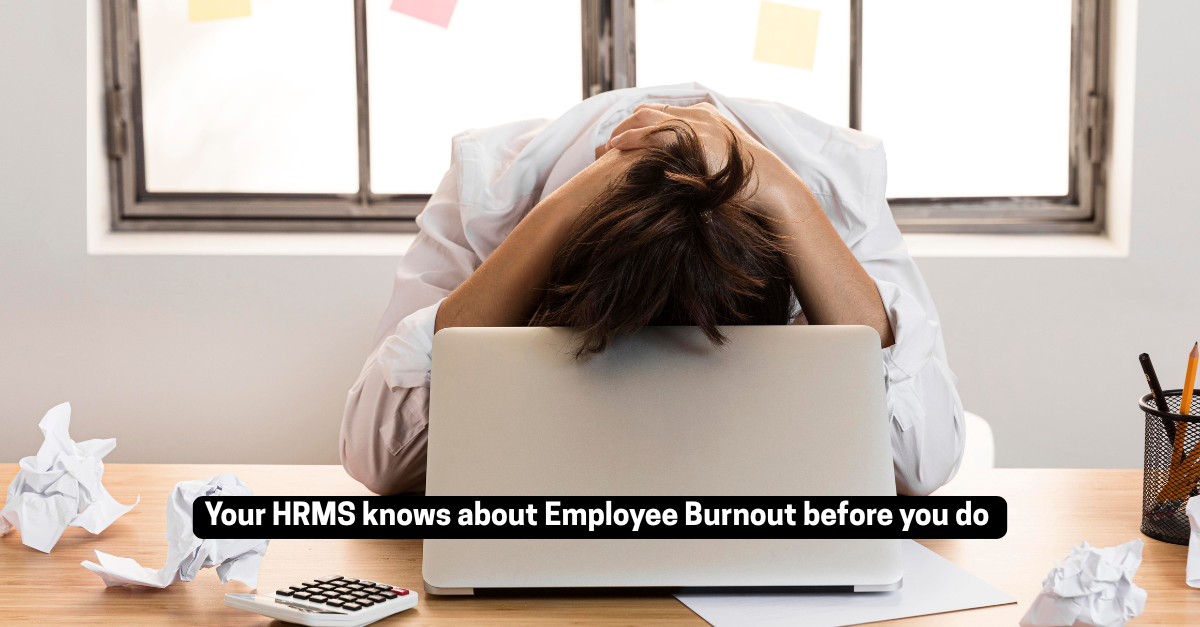
In today’s work, employee burnout is not only a buzzword, but it’s a productive killer. By the time organisations understand time burnout, it has already drained the energy, lowered the engagement, and increased the risk of attrition. That’s why modern HRMS software like ZestNexus goes beyond traditional data tracking. Using predictive analytics, organisations can monitor the pattern of login activity, leave usage, and engagement metrics to spot the warning signs. This means they can act at the earliest to support the team effectively and prevent employee burnout.
How predictive analytics in your HRMS detects employee burnout
Employee burnout is not one single breaking point; it actually slides gradually. It started with small changes like missed deadlines and quieter voices during the meeting we were brainstorming sessions. And over time, this buildup erodes engagement and motivation and lowers mental energy levels.
The real challenge is that the signs go unnoticed until it becomes critical. And by the time the manager notices a drop in performance or a resignation letter lands on the desk. The damage is already done both to employees’ well-being and the organisation’s momentum.
Hence, HRM software equipped with predictive analytics acts as a proactive tool. As it continuously analyses the pattern of the employees and monitors their deviation from each employee’s normal Rhythm.
But what if Someone keeps on whispering, “something not quite right here”? Let’s check in before it’s too late. With these early signs, the software also shows up the quarterly performance reviews so that organisations can step in with timely support, which could prevent burnout before reaching a breaking point.
The science behind predictive analytics for employee burnout
Predictive analysis uses a combination of employee historical information and real-time inputs. And with this information, it detects a pattern that suggests the issue long before it becomes visible to the human eye.
In HR, HRM is not only a static database. But an active monitoring system that constantly tracks employee activities like login, overtime frequency, leave patterns, engagement participation, and even interaction trends across digital platforms. By comparing these metrics, the software can flag deviations that may signal early burnout risks.
For example –
- An employee who typically logs out at 6 PM suddenly begins to clock out at 9 PM.
- Someone with steady attendance starts taking unpaid leave often.
- A previously engaged team may reduce participation in group chat projects and meetings.
These small shifts can be harmful. But predictive analytics connects all the dots across different data points, creating a holistic profile. When several small indicators appear together, they paint a clear picture. Research shows that organisations using HR analytics can reduce the turnover rate by 25%. That’s because they are not reacting to burnout as they are actually preventing it. The difference between the two can retain top talent, avoid costly hiring, and maintain high team morale.
Behavioural analytics matter in HR
Behavioural analytics inside HRM is beyond record-keeping. It’s not just sorting attendance locks or leave balance, it connects the dots between dozens of unrelated data points. And creates an actionable story of employees’ well-being. By using these algorithms, HRM can merge multiple data streams like behaviour, over time trends, engagement level, and filter them into a single burnout risk score.
This score acts as a dashboard warning light, and it not only tells what is wrong it also gives you why and how behind the risk.
With these insights HR team can take strategic preventive actions –
- Adjust the workload before the employee reaches the tipping point.
- Provide targeted wellness initiatives.
- Offer flexible schedules so that employees can rebalance personal and professional commitments.
The beauty of behavioural analytics is its personalised interventions. Instead of applying a one-size-fits-all policy, HR can customise solutions as per the employee’s needs. It strengthens loyalty, reduces attrition, and creates a workplace culture where employees feel cared.
Conclusion-
So, HRM software is no longer a digital filing cabinet. It is a proactive warning system for employee well-being. By acting on these signals, you can not only protect your employees’ mental health but you can also safeguard productivity, morale, and your company’s bottom line. The truth is simple: burnout prevention is cheaper than burnout recovery.
So now you do not have to wait until it becomes visible in performance or resignation letters. With predictive analytics, you can see the warning signs early and build a workplace where employees can thrive, not just survive.


